Back to top
🚚 FREE DELIVERY On Orders Above £65
📦 Hassle-free 30-DAY Returns
🌟 1 MILLION+ Happy Customers
🍽 43 MILLION+ School Meals Donated
🚚 FREE DELIVERY On Orders Above £65
📦 Hassle-free 30-DAY Returns
🌟 1 MILLION+ Happy Customers
🍽 43 MILLION+ School Meals Donated
April Birthstone Guide • Diamonds

The world's most impressive and coveted gemstone

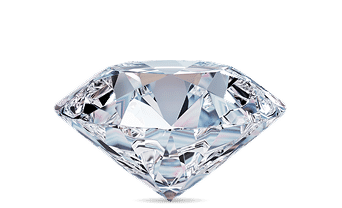
Every girl’s best friend, diamonds show promise of permanence and are celebrated for their unrivalled shine, timeless beauty, and rarity. Those born in April are lucky enough to call this sparkling stone their birthstone. In the world of fleeting trends and endless options, diamonds are still considered to be the most desirable and aspirational items in the fine jewellery edit.

Hardness
10 on the Mohs scale

Birthstone
April

The Ultimate Diamond Guide: Everything You Need To Know About Diamonds

Natural diamonds are one of the oldest and rarest gemstones in the world, formed through intense heat and pressure in the earth's mantle. These earth's natural treasures were formed between 800 million to 3.4 billion years ago. Popularly known as to be 'a girl's best friend', the word 'diamond' came from the Greek word 'adamas', which means indestructible. Interestingly, when the natural stones were formed there was no life on the earth. Think about a natural diamond ring or a diamond pendant that you cherish today; it might just be the oldest thing you will ever touch! 

Not just that, the diamond gemstone is the hardest gemstone known to mankind with a rating of 10 on Mohs scale. Known for their incredible hardness, these gemstones were first discovered in the caves of India 4000 years ago. The diamond stone eventually found its way on trade routes of Europe and China, where they became a status of luxury and power among kings and queens. Today, natural diamond mining is a global industry, with major hubs in Botswana’s Jwaneng (richest mine in the world), Canada, Russia, Australia, and South Africa.

April Birthstone: The Meaning of Diamonds and Why Diamond Certification Matters?

A symbol of clarity and strength, diamonds make for the April birthstone. They are admired for their sparkling beauty and signify eternal love. The rare gem is believed to improve the inner strength of the wearer and better relationships. The beauty of the diamond lies in its symbolism, but its value is truly determined by a trustworthy certification. When it comes to buying diamond jewellery, diamond certification plays a crucial role in helping the buyers to make a well-informed decision. It ensures the diamond meets the highest standard of cut, clarity, colour, and carat weight. Choosing a certified diamond can give you peace of mind, offer transparency, and allow you to make an informed decision and a confident purchase. The diamond certification is issued by independent gemological laboratories like Gemological Institute of America (GIA), International Gemological Institute, and European Gemological Laboratory, etc. The certification from trusted diamond laboratories guarantees authenticity and ensures that you are investing in a valuable gemstone.

The 4Cs of Diamonds: Your Guide To Best Diamond Grade

The 4Cs of diamonds refers to cut, carat, colour, and clarity. These are the four standards globally used to evaluate a diamond stone's value and quality. Every buyer must navigate through these 4Cs, the universal grading system to understand exactly what you are paying for:

Cut

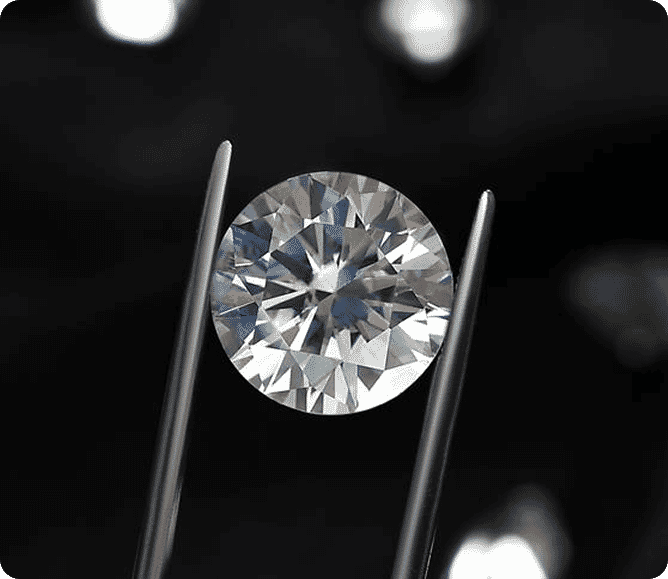
Diamond cuts refer to how the diamond facets interact with light. It does not signify shape but rather the arrangement of its facets. The quality of the stone is determined by how well it interacts with light, affecting its sparkle, brilliance, and fire. The cut of diamond (grade) ranges from excellent to poor.
Colour

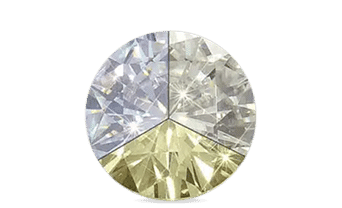
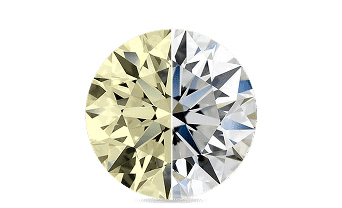
Diamond colour refers to the natural tint in the diamond. The D-to-Z diamond colour scale is used to grade white diamonds. The D, E, and F colour diamonds are considered very expensive, while G and H diamonds strike the perfect balance between quality and value.

Clarity

 Diamond clarity refers to the purity as well as the rarity of the gemstone. In other words, it can be called the amount of flaws or inclusions in the diamonds. Thus, the better the clarity, the more expensive and valued they are. The diamond clarity chart entails diamonds graded from Flawless (FL) to Included (I3).

Carat

Diamond carat refers to the weight of a gemstone. The higher the carat weight, the more valuable the stone. Choosing the right carat weight is important when buying a diamond jewellery as it directly influences both the appearance and price.

Exploring the Most Popular Diamond Shapes and Fancy Cuts

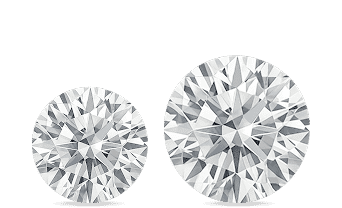
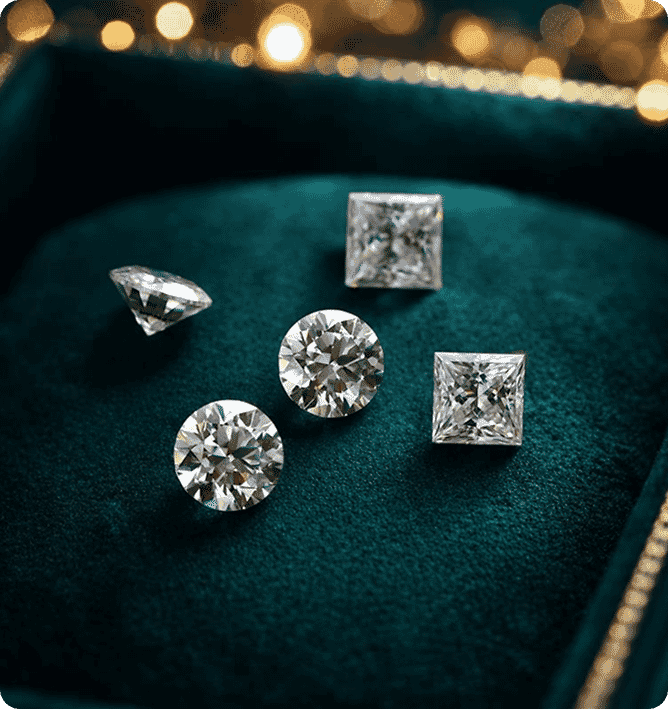
Diamond shapes refers to the external outline or the geometric appearance of a diamond, which means how a diamond looks when viewed from above. While round brilliant cut diamonds make for the most popular diamond shape that comes with 58 precision-cut to deliver exceptional brilliance and sparkle more effectively than most other diamond shapes. The fancy shaped diamonds (any diamonds apart from round cut diamonds) on the other hand allows more individuality.

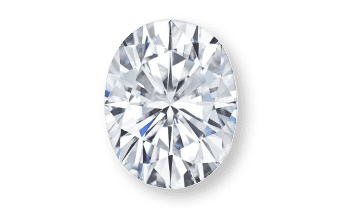
Oval Diamond Shape:

Oval-cut diamonds appear larger than their actual size.This elongated diamond shape is a combination of round cut diamond and marquise diamond.

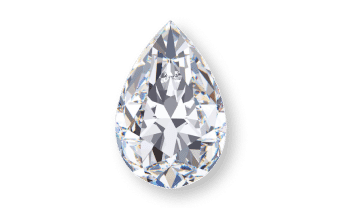
Pear Diamond Shape:

Pear-shaped diamonds are popularly called teardrops diamonds. The pear shape combines round brilliant and marquise cut, which helps elongate the finger.

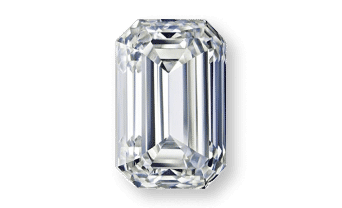
Emerald Diamond Shape:

Emerald-cut diamonds are known for their straight lines and hall-of-mirror effect. Featuring rectangular facets and a large, open-table it creates an illusion of a larger ring.

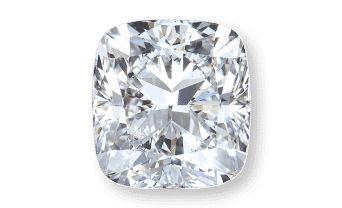
Cushion Diamond Shape:

Cushion-cut diamonds also popularly called as the 'pillow-cut diamonds' comes with rounded corners and has a square or rectangular shape.

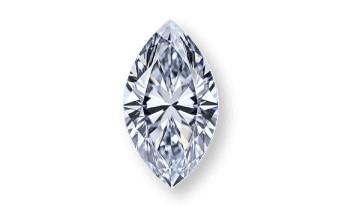
Marquise Diamond Shape:

Marquise-cut diamonds have pointed edges and a rounded centre, which gives them an oblong appearance. Its shape closely resembles a football and has an antique, regal vibe.

Diamond Settings and Styles

The diamond setting refers to the very structure that secures the gemstone and helps amplify its brilliance. These settings ascertain that the gemstones are set or mounted securely into a metal band. Having said that, there are different types of diamond settings to choose from.

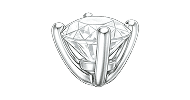
Prong Setting

It makes for the most classic choice to secure the diamond. This setting is highly favoured as it reduces the amount of metal used & allows more light to pass through.

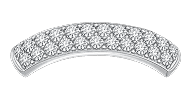
Pave Setting

This kind of setting is used in intricate design & features small diamonds set closely. It creates an effect of continuous shine, which adds sparkle and visual size.

Bezel Setting

The bezel setting makes for one of the most protective settings as it completely encases the diamond in the metal.

Channel Setting

This type of setting holds diamonds securely in between two metal walls. Since it contains no metal barrier in between, this style lends a flow and sleek look to the design.

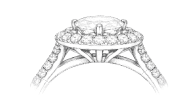
Halo Settings

 It features a centre gemstone with small diamonds surrounding it. The halo style makes for one of the most versatile settings as it can pair well with all diamond shapes.

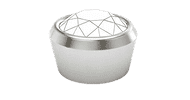
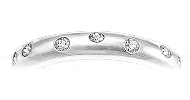
Gypsy Setting

Popularly known as the flush mount setting, it features gemstones embedded into the metal band. It makes a great choice for everyday wear.

Natural vs Lab-Grown Diamonds: What’s the difference?

One of the most popular questions being asked in the jewellery market right now is the difference between natural and lab-grown diamonds. Natural and lab-grown diamonds may look alike, but there are significant differences between them.

Origin

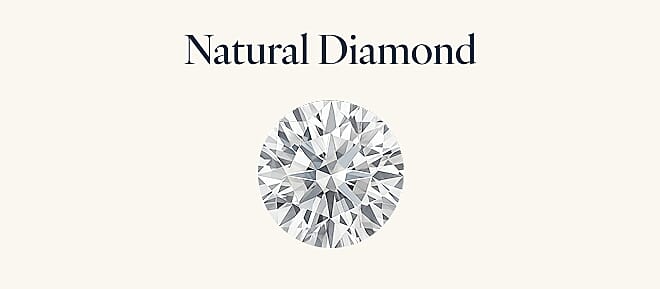
Natural diamonds take billions of years to form deep within the earth's surface under extreme heat and pressure, while lab-grown diamonds are produced in laboratories.

Appearance

Natural diamonds and lab-grown diamonds are physically and visually identical and offer the same brilliance, fire, and sparkle. The difference between them can only be detected with specialised equipment.

Rarity

Natural diamonds are naturally limited as only a certain amount is available on the earth. While the lab-grown diamonds can be mass-produced in a controlled environment.

Price

Natural diamonds are expensive as they are rare and limited in supply, while lab-grown diamonds are 30%-50% more affordable than natural diamonds as they can be made upon demand.

Resale Value

Natural diamonds have a stronger resale value than laboratory-grown diamonds.

Ethics

Lab grown diamonds are generally considered more ethical than natural diamonds as they are made in a laboratory setting, which can help reduce environmental impact and carbon footprint. On the other hand natural diamonds require mining and use a lot of energy and labour.

Origin

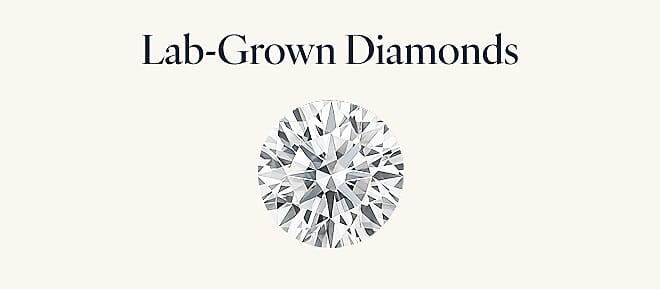
Lab-grown diamonds are created in laboratories through two methods: High Pressure High Temperature (HPHT) and Chemical Vapor Deposition (CVD), mimicking the natural diamond-forming process but in a controlled environment.

Appearance

Lab-grown diamonds are physically and visually identical to natural diamonds. They exhibit the same brilliance, fire, and sparkle. The difference between them can only be detected using specialized equipment.

Rarity

Lab-grown diamonds are not naturally limited. They are mass-produced in a laboratory setting, offering a more abundant and consistent supply compared to natural diamonds.

Price

Lab-grown diamonds are significantly more affordable than natural diamonds. They are typically 30%-50% less expensive because they can be produced on demand in laboratories.

Resale Value

Lab-grown diamonds typically have a lower resale value compared to natural diamonds, as they are more abundant and not considered as rare.

Ethics

Lab-grown diamonds are often seen as more ethical than natural diamonds, as they don't require mining. This reduces environmental impact, carbon footprint, and the social issues associated with diamond mining.

Coloured Diamonds: What makes them so rare?

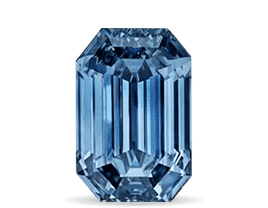
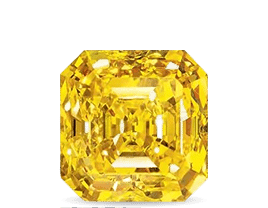
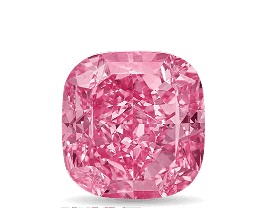
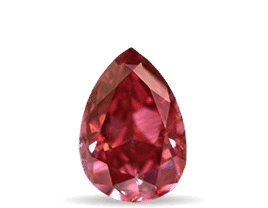
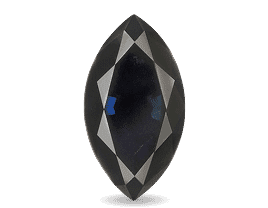
Coloured diamonds are one of the most exquisite gemstones in the world. These natural gemstones are sought-after for their vibrance and saturated tones. These fancy coloured diamonds come in a spectrum of colours like pink, blue, green, red, and yellow. They form 0.01% of all natural diamonds and thus are prised for their brilliance, intensity, and extreme rarity. Some of the most famous fancy coloured diamonds are:

Blue Diamonds:

They contain a minute amount of boron impurities, which lends them the blue captivating colour. They exhibit a range of blue hues from soft, sky blues to deep, vivid blue.

Yellow Diamonds

The presence of nitrogen atoms gives the diamonds the yellow hue. The more quantity of nitrogen, the richer the yellow colour would be.

Pink Diamonds

They are caused due to distortion in diamond's crystal lattice, which changes how the light interacts with stone producing a pink shade.

Red Diamonds

 They make for the rarest of all diamonds and formed as a result of distortion of their atomic structure, a rare occurrence that causes diamonds to exhibit a ruby-like hue.

Black Diamonds

The black coloured diamonds also known as carbanado get their black colour from high amounts of graphite and mineral inclusions.

Cleaning TIPS

A Simple Guide on Diamond Cleaning and Care

Diamonds are the hardest stone on earth and are remarkably durable. But they still require regular cleaning and proper care to maintain their brilliance. If you are wondering how to clean the diamond jewellery at home? Here is a simple way to do it. 

  • Make a solution of warm water and a few drops of mild dish soap liquid. 
  • Soak your diamond engagement ring, diamond earrings or any diamond jewellery in the solution for 5-10 minutes. 
  • Use a soft brush and gently scrub the gemstone and settings using a soft toothbrush to get rid of dirt, debris, oils, or any cosmetics.
  • Rinse the jewellery well under warm running water and pat dry using a lint-free cloth.

*Avoid using any harsh chemicals or abrasive cleansers that could potentially damage the stone or the settings. Also, keep in mind not to use steam and ultrasonic cleansers as it can loosen the gemstone in their settings.

For regular maintenance, you can consider cleaning the jewellery with a specialised diamond cleaning solution. Furthermore, getting diamond jewellery professionally inspected once in a year can help check for loose stones, damaged settings, etc.

Store

How to store diamond jewellery the right way?

Storing diamond jewellery safely can ensure it is protected from scratches and dullness, easy to locate, and maintain its sparkle over time. You can store diamond jewellery in a soft jewellery pouch or a velvet-lined jewellery box to prevent tangling or scratches. Always make it a point to store your diamond jewellery pieces in a cool and dry place, away from humidity and sunlight. A good ideal is to store it in its original box to ensure added security and convenience. You can also wrap the diamond encrusted jewellery in a napkin or selvyt cloth before storing them in a jewellery box.

FAQS on Diamond

What Is the Old Mine Cut?

The Old mine cut is a vintage diamond style that was particularly popular in the 18th and 19th centuries. It refers to diamond cuts that existed before modern technology came in. This process involved cutting diamonds by hand, often under the natural daylight or candlelight.

What is a Diamond?

A natural diamond is a rare and finite mineral formed deep within the earth’s crush. It consists of a crystalline structure of pure carbon atoms bonded together.

Are diamonds rare?

Yes, natural diamonds are rare as they are finite in nature. Some of the most treasured gemstones on the planet are coloured diamonds such as blue diamonds and red diamonds.

Which C is the most important?

The cut of the diamond is generally considered as the most important of all 4cs. This is because it can greatly influence a diamond's brilliance and overall appearance.

How big is a one-carat diamond?

One carat diamond is 0.2 grams which is equivalent to the weight of a paperclip.

Why Is Diamond Cut Important?

Diamond cut is important because it directly influences a diamond’s sparkle. An excellent cut diamond creates a classic, unparalleled brilliance, while a poorly cut diamond appears to be dull owing to low level of light performance.

Do young people buy diamonds?

Yes, many young people are buying diamonds as reflected in global diamond industry reports. There is a huge demand for diamond jewellery and diamond engagement rings in the UK. This is owing to the fact that millennial and gen z are gravitating towards ethically-sourced diamonds that reflect their individual values and preferences.