Back to top
LAST CHANCE BLACK FRIDAY DEALS | UP TO 70% OFF + EXTRA 25% OFF
Hurry! Deals Ending Soon
Extended Returns Until 15th January 2026
LAST CHANCE BLACK FRIDAY DEALS | UP TO 70% OFF + EXTRA 25% OFF
Hurry! Deals Ending Soon
Extended Returns Until 15th January 2026

Lab Grown
Diamond Guide

Learn how lab grown diamonds are ethically created and offer exceptional value compared to real diamonds. Explore various forms of natural diamonds, the 4Cs of grading, and many more to help you make informed decisions.

1 Million+
Happy Customers
Shop Lab Grown Diamond

Introduction

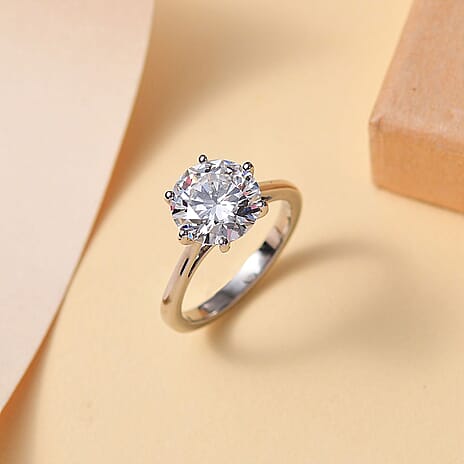
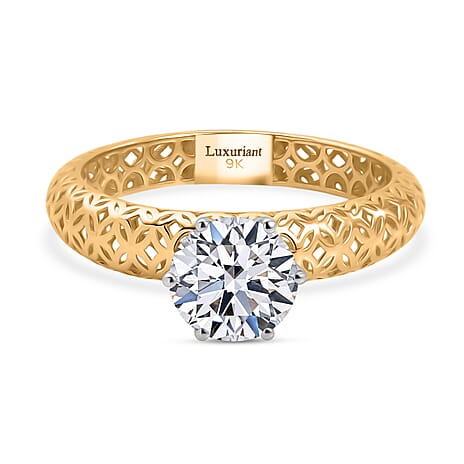
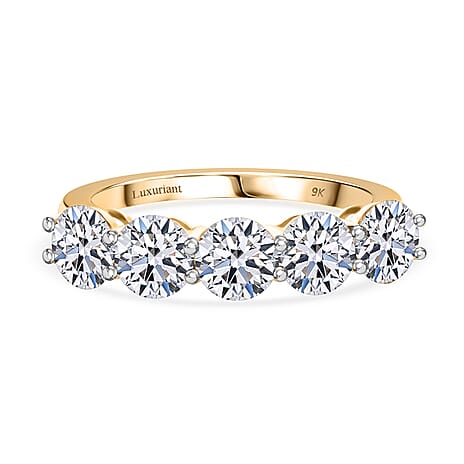
Lab grown diamonds are a modern solution to outdated luxury problems that deliver both beauty and value. They resemble real diamonds but are created in labs with advanced technology, with a lesser environmental impact. They offer the same sparkle and shine as mined diamonds at an unmatched price, making them the top choice for engagement and eco-conscious consumers. This lab grown diamond guide will provide everything you need to know about this beautiful alternative to real diamonds.  

What is a lab grown diamond?

Lab grown diamonds are lab created diamonds with the help of advanced technology using high-pressure high-temperature (HPHT) and chemical vapor deposition (CVD). They formed from the same material, and lab created diamonds are chemically identical to real diamonds. They resemble natural diamonds with the same brilliance, hardness, and fiery shine, but at a very affordable price. They offer an ethical and sustainable alternative to real diamonds with lower environmental impact.  

How are lab grown diamonds made?

  • HPHT: High-pressure High Temperature diamonds are formed by simulating Earth's mantle conditions, creating a crystal structure similar to natural diamonds but often with metallic inclusions and a yellowish tint. Uses a diamond seed under heat and pressure to create a new diamond.
  • CVD: Chemical Vapor Deposition diamonds are grown in a vacuum chamber from hydrocarbon gases, resulting in fewer inclusions and excellent clarity, but potentially a brownish tint. In this process, a layer of pure diamond is deposited by carbon-rich gases into a diamond seed.
  • Steps
    1. Diamond seed is placed in the vacuum chamber 
    2. Heat, pressure, or chemical gases are applied. 
    3. The process takes several weeks to create a crystal
    4. Diamonds get cut and polished to perfection and quality.
  • Certification & origin: Each lab grown diamond is certified and approved by gemologists and certified labs such as GIA and IGI to ensure the diamond's origin and quality. 

Types & grades: how lab diamonds are graded and certified

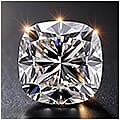
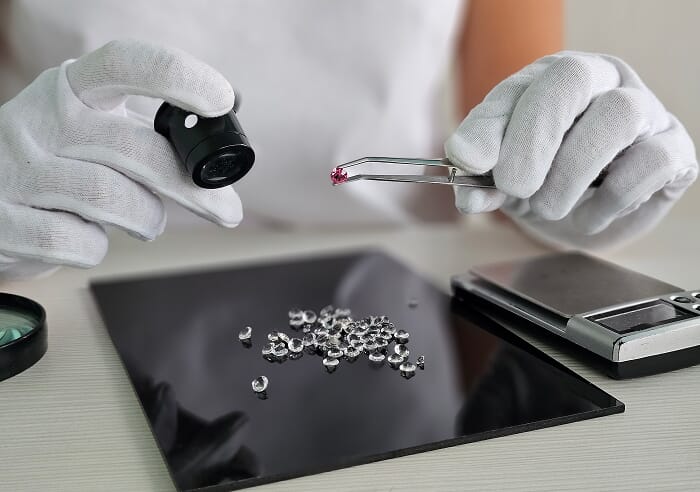
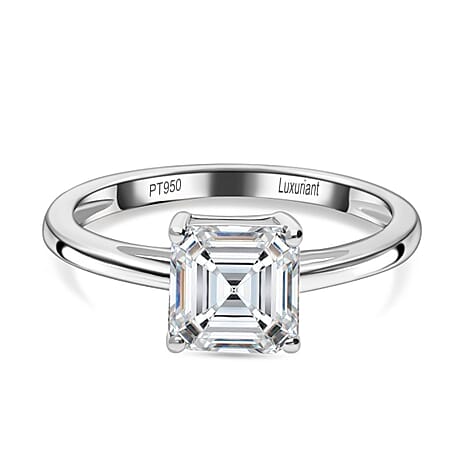
Cut is one of the most important elements of assessing diamond quality that affects its brilliance and sparkle. The process includes measuring how diamond facets catch light. A perfect cut allows the diamond to catch maximum light, making it shine brighter.

Why choose lab grown diamonds?

  • Value- Lab grown diamonds are available at up to 60% less per carat than real diamonds to offer large carats and clarity in your budget. This will help buyers to improve their investment without compromising on quality, making them a smart choice. 
  • Quality and beauty- Using the same grading standard, lab diamonds also offered you freedom to choose the cut and stones at an unmatched price. You can have bigger stones at a price that real diamonds can't offer. The technique of control results in diamonds with fewer inclusions and better clarity, making them visually appealing. The process enhances its beauty and creates a diamond that has the same brilliance and shine as mined diamonds. 
  • Ethics and sustainability- Lab grown diamonds are an ethical choice that matches modern values with a lesser environmental impact. The process of creation includes less usage of water and energy, resulting in the creation of a conflict-free diamond with a smaller carbon footprint for eco-conscious consumers. 
  • Practical benefits- The innovative process of product with cutting-edge technology makes lab grown diamonds available in different shapes, cuts, colours, and sizes. These help consumers to customise their jewellery as per their needs and preferences. They can also have larger stones at a much lower price as compared to real diamonds.

This lab grown diamond guide will help buyers understand the facts behind this conflict-free gemstone. 
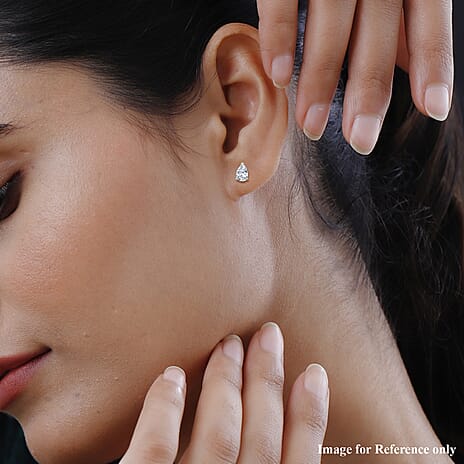
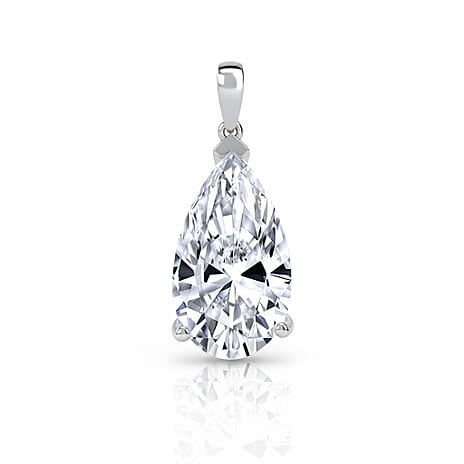
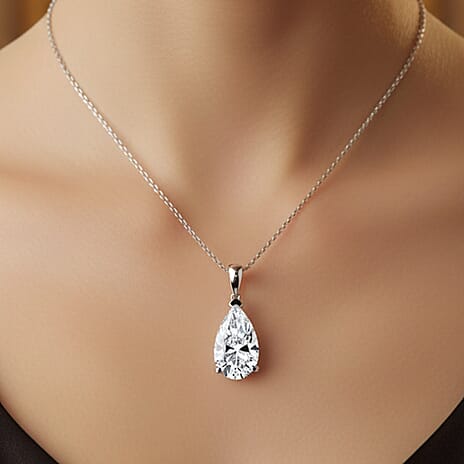
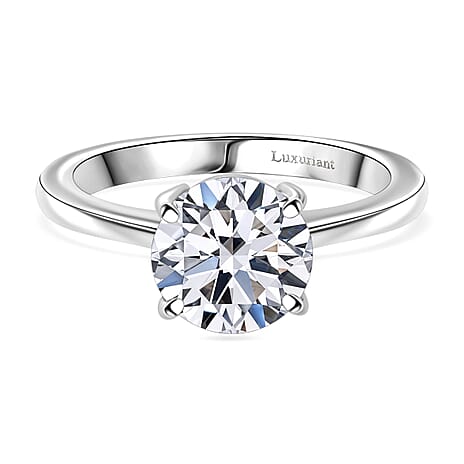
Timeless Jewellery Trends to Elevate Your Style

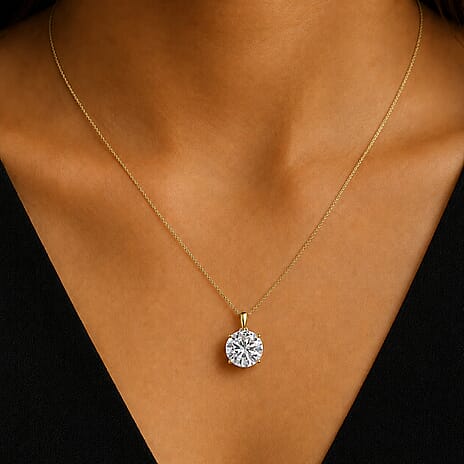
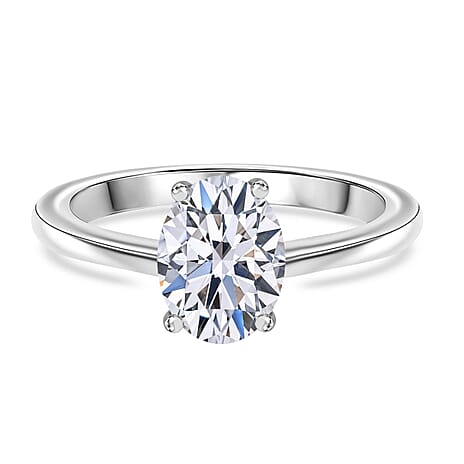
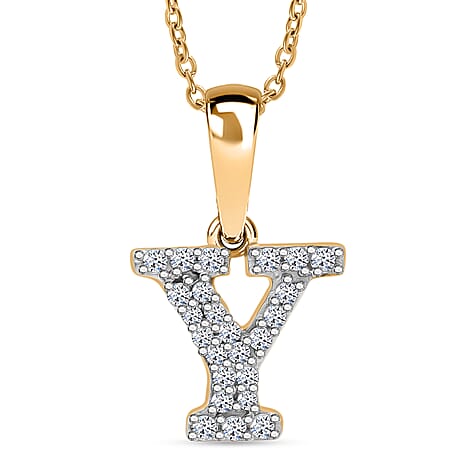
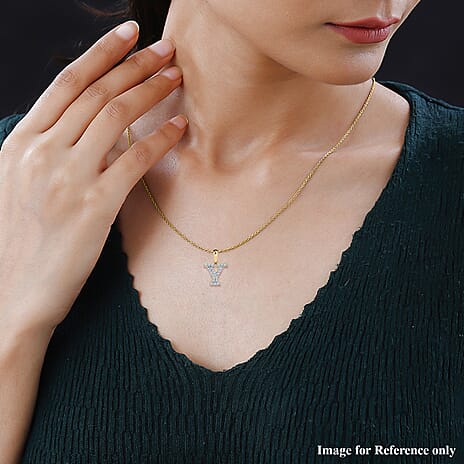
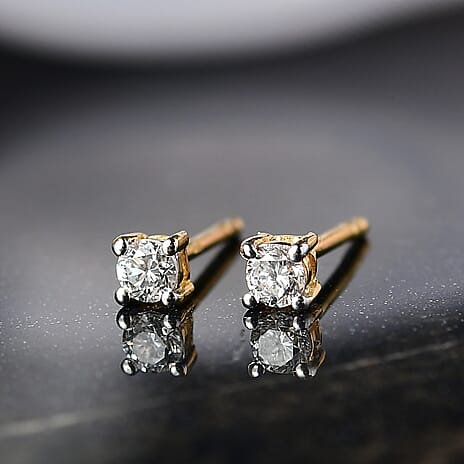
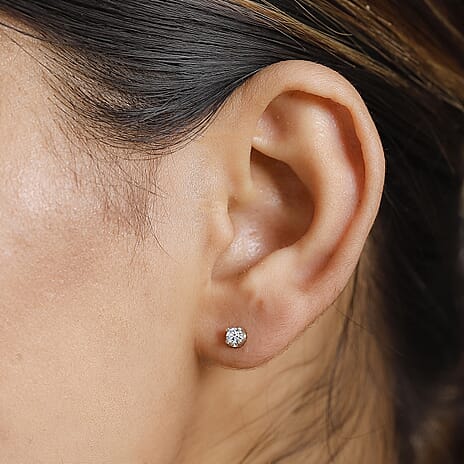
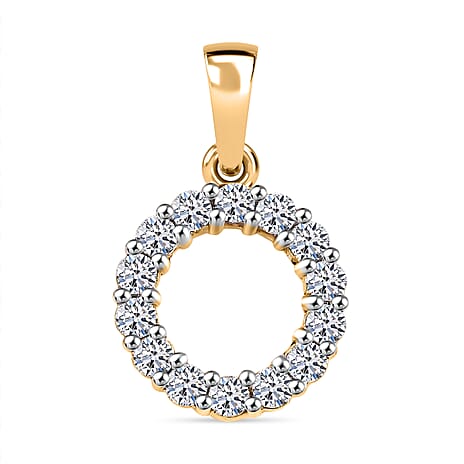
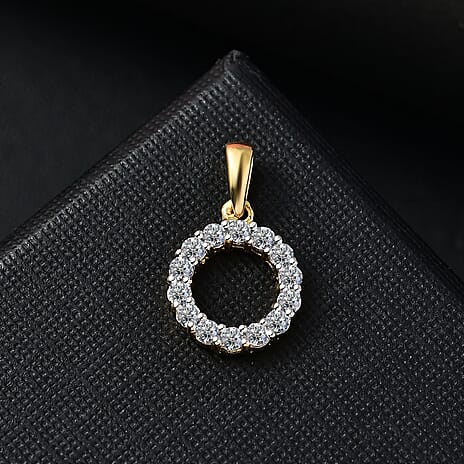
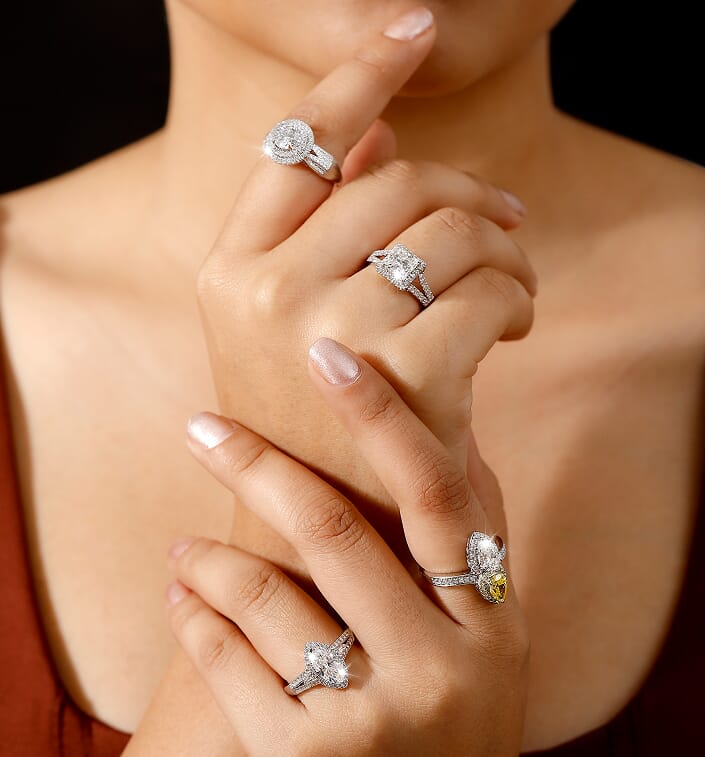
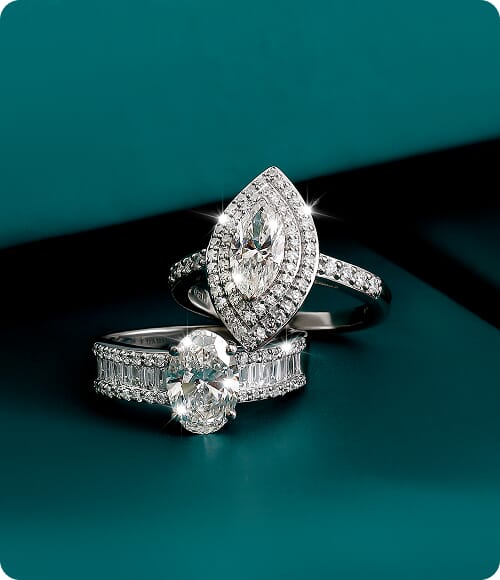
Explore our exquisite and exclusive collection of enduring beauty at an exceptional price range. Each piece is crafted to uplift your fashion game and style, perfect for every occasion.

How Lab Grown Diamonds Compare to Natural Diamonds

Feature Lab grown diamonds Natural (mined) diamonds
Origin Created in controlled laboratory environments using advanced technology like HPHT or CVD. Formed deep inside the earth’s mantle.
Chemical Pure carbon Pure carbon
Physical properties Identical to natural diamonds with the same hardness, properties and durabilities. Identical to lab grown diamonds with the same hardness, properties and durabilities.
Price 40% to 60% less expensive than real diamonds. Very expensive and higher prices due to rarity.
Resale Limited resale option and lower resale price. Higher resale value with an established auction market.
Certification Certified by GIA and IGI labs. Certified with GIA or IGI lab.
Sustainability Environment-friendly with lower carbon footprints and mining impact. Mining can affect the environment and have social impacts.

The following practices are presented so you can make an informed decision while buying lab grown diamonds. Each tip ensures you choose the most suitable piece according to your needs and preferences.

Cut:
Always focus on the diamond's cut as it is the most important factor that influences its brilliance and sparkle. A perfectly cut lab grown diamond can make even small diamonds shine brighter. 
Clarity:
Look for SI clarity grades featuring eye-clean lab grown diamonds that look perfect and flawless.  
Budget strategies:
Always consider non-standard carat weights to maximize their shine and sparkle at a very affordable price.
Prioritise 4Cs:
Consider only cut and carat while purchasing a lab grown diamond. Opt for lower clarity or colour for mesmerising beauty at a perfect value.  
Ask sellers:
Ask sellers for authentic certificates of diamonds along with the return and warranty policies.

Certification, care and resale

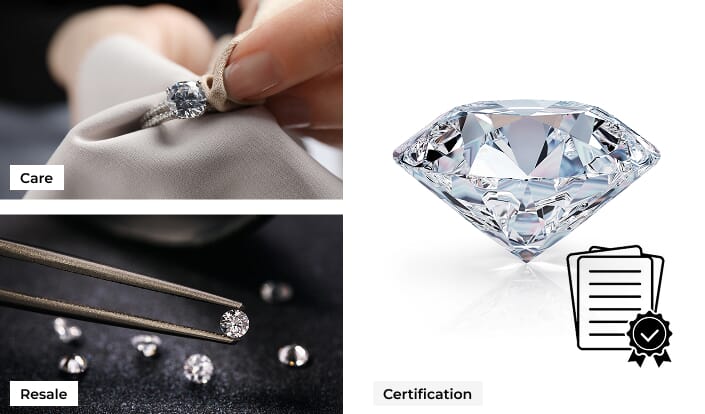
  • Certification- Ensuring the quality and authenticity of lab grown diamond certification is essential. International Gemological Institute (IGI) and the Swiss Gemological Laboratory (SGL) are the two most well-known and trusted laboratories that provide grading reports. The report helps buyers to analyse and verify the jewellery’s value and quality.
  • Cleaning and maintenance tips- Do clean your lab grown diamond with warm, soft water and a soft brush weekly. To preserve its shine and brilliance, avoid using any harsh chemicals.
  • Resale realities- lab grown diamonds are highly demanding in the market and growing tremendously, but are limited for resale in the market. It is mainly used for personal indulgence rather than for profit.  
Myths Facts
Lab grown diamonds are not real They are authentic and genuine diamonds with similar chemicals and properties as real diamonds.
Lab grown diamonds fade Lab grown diamonds are durable and remain the same forever.
Cannot be insured Like other gemstones or natural diamonds, lab grown diamonds can also be insured.
All diamonds have the same quality They vary on the basis of their cut, clarity, carat, and colors.
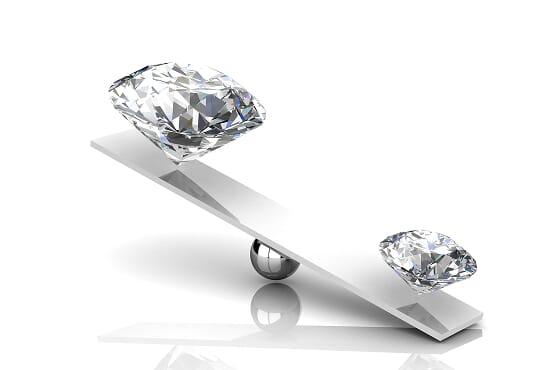
Diamonds balanced on a scale

Who should buy lab grown diamonds?

  • Budget-conscious consumers can purchase lab grown diamonds as they are more affordable than natural diamonds. 
  • Lab grown diamonds are also suitable for engaged couples as they are an affordable luxury that offers the same brilliance and shine as natural diamonds. 
  • Eco-ethical shoppers can choose these conflict-free gems that match sustainability values and standards. 
  • Fashion enthusiasts can choose lab grown diamonds and experiment with their colour, size, or shape to improve their fashion game. 
  • Lab grown diamonds are perfect for anyone who wants to add sparkle to their jewellery collection at a very affordable price and with a smaller carbon footprint. 

All About Lab Grown Diamond Guide

Are lab grown diamonds real diamonds?

Yes, lab grown diamonds are genuine diamonds with the same properties and chemical composition as real diamonds. They offer similar brilliance, shine, and hardness as natural diamonds.

Are lab diamonds cheaper than natural diamonds?

Yes, lab grown diamonds cost 40%-60% less than natural diamonds, as it is created in a lab. The lesser price is due to their manufacturing process in the lab, which is less costly than natural diamonds.

How can I verify a diamond certificate?

To verify your lab grown diamond certificate, enter the report number on any geological institute website, such as GIA, IG, or GCAL, and the report will confirm the authenticity of the diamond.

Can lab diamonds be insured?

Yes, lab grown diamonds can also be insured, and it is necessary to ensure that your policy states lab grown diamond or stone.
How do I choose the best cut for sparkle?

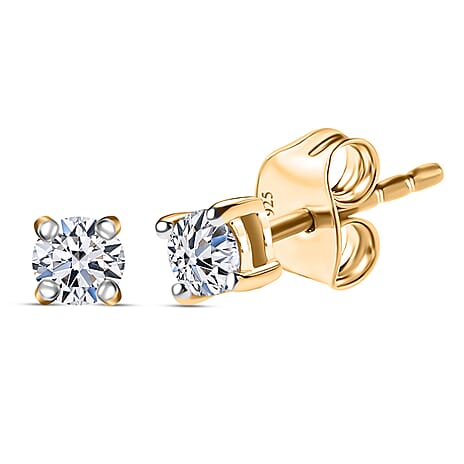
Ideal cut lab grown diamonds are the perfect cut for brilliance and sparkle. The perfect cut enhances the diamond's beauty and brilliance, making it catch light from every angle.
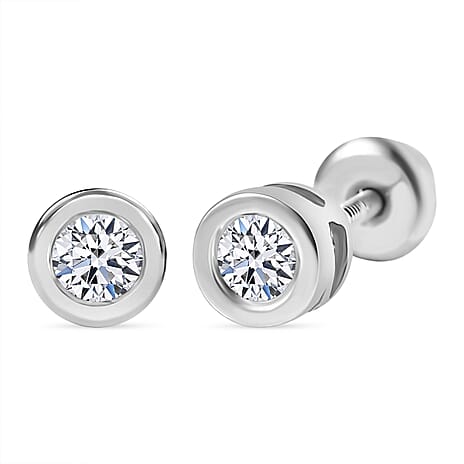
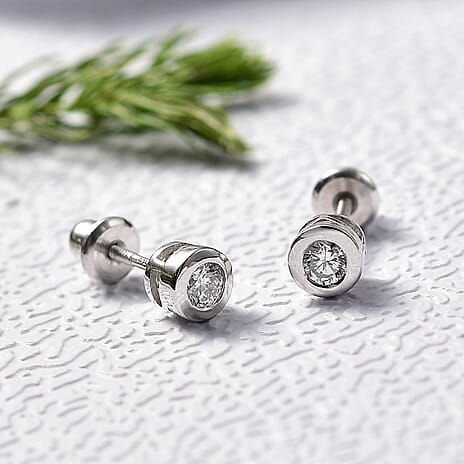
What is the difference between lab created diamonds and simulants?

Lab created diamonds mimic real diamonds and have the same hardness, brilliance, and shine as real diamonds. Whereas, simulants like cubic zirconia and moissanite only resemble diamonds due to their appearance, but they are different from lab grown diamonds.

Do lab diamonds have guarantees or warranties?

Many jewellers offer warranties and guarantees on lab grown diamonds. You should check the terms and conditions before any purchase.