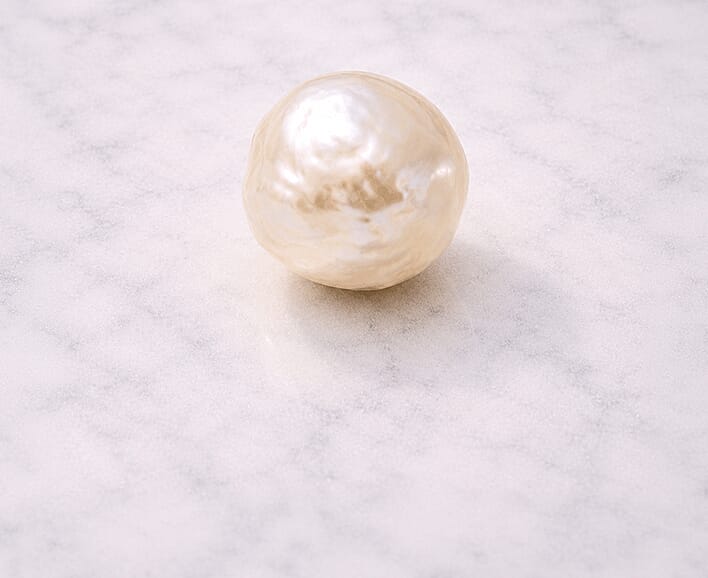
Natural pearls
Natural pearls occur organically in nature without human interference. In this case, the irritant (foreign body) is usually some organism from the water that leads to nacre deposition and formation of pearls.


Pearls known as the ‘Queen of Gems’ are one amongst the oldest gemstones known to mankind. This June’s birthstone has a classic and regal appeal, considered one of the most favourite gemstones of royalty. Once exclusive only to ruling classes, pearls are revered for their rarity and lustre. Pearls make for the only gemstone to be made by living creatures (mollusks).

Birthstone of
June

Queen Of
Gems
Origin
Made by Living Creatures
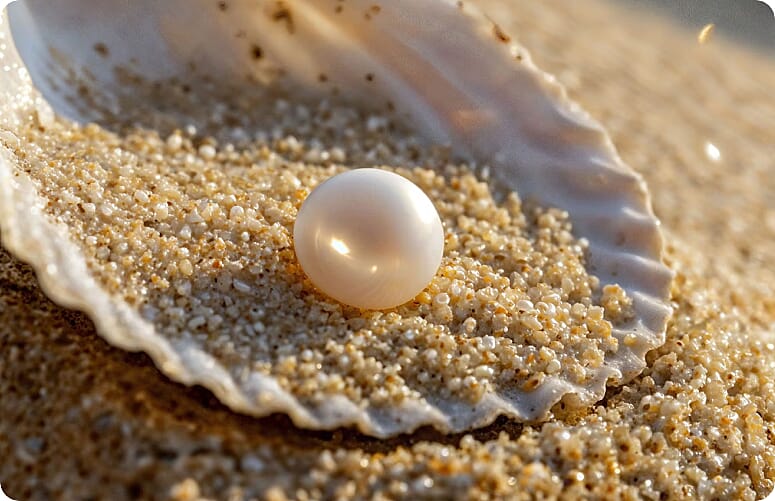
Pearls are gemstones that are formed inside the mollusks ( living marine creatures) like oysters or mussels. They are formed when an irritant such as tiny particles of sand, parasite, or debris enters mollusk’s soft, tender tissues . To protect itself, the mollusks trigger a protective response and produce a substance called nacre (combination of calcium carbonate and protein). Nacre coats the irritant layer by layer and eventually forms the lustrous gem known as the pearl.
There are two main methods of pearl formation
Natural pearls occur organically in nature without human interference. In this case, the irritant (foreign body) is usually some organism from the water that leads to nacre deposition and formation of pearls.
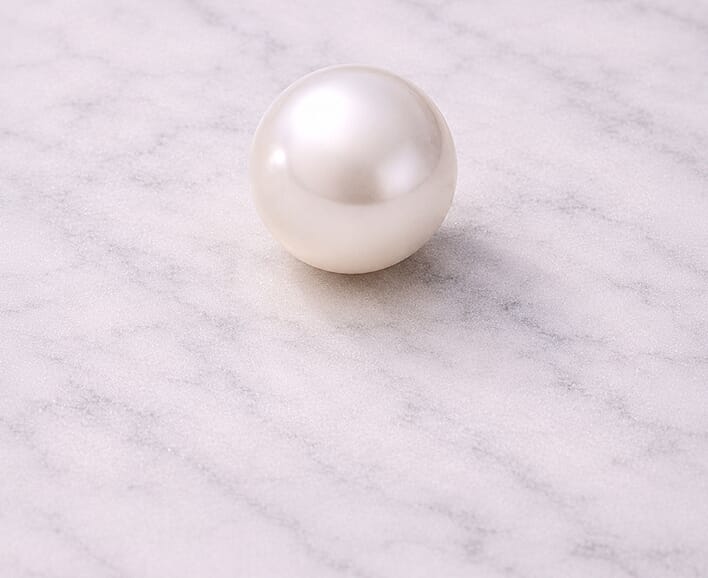
Cultured pearls are cultivated when a piece of tissue or mother-of-pearl bead is carefully inserted into mollusks (soft-bodied animals possessing shell) through human intervention. This triggers a natural response, leading to the production of nacre which eventually forms the pearls.
The word ‘pearl’ comes from an old French word ‘perle’ and is seen as the symbol of femininity, wealth, and status. In ancient China, pearl jewellery was believed to signify the purity and chastity of the wearer. While in Western Europe, women from royalty and nobility wore pearl necklaces, brooches, pearl earrings and bracelets, etc. Pearls can also symbolise innocence, wisdom, beauty, and transformation. No wonder, why they make for a popular choice for wedding jewellery.
There are broadly three types of pearl: natural pearls, cultured pearls, and imitation pearls.
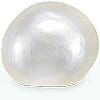
Rare and extremely valuable, these organic gemstones that formed naturally in nature without human intervention. Natural pearls feature nacre layers, typically have irregular shape, and come in varied sizes and colours, making each pearl unique.
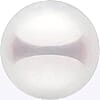
They are man-made pearls made from mother of pearl, glass, plastic, alabaster, resin, or coral to mimic the actual appearance of the real pearls. They are also called faux pearls or stimulated pearls.
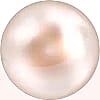
Cultured pearls are created by implanting an irritant into a mollusk in a controlled environment, encouraging nacre formation. This process makes them more uniform in shape, size, and colour, while also being more affordable and widely available than natural pearls.

Cultivated in freshwater mussels that are only found in clear streams and rivers. These freshwater cultured pearls come in a variety of colours and shapes.

Cultured saltwater pearls are cultivated in oysters found in saltwater found in ocean, lagoons, and tropical atolls. They are rounder than freshwater cultured pearls.
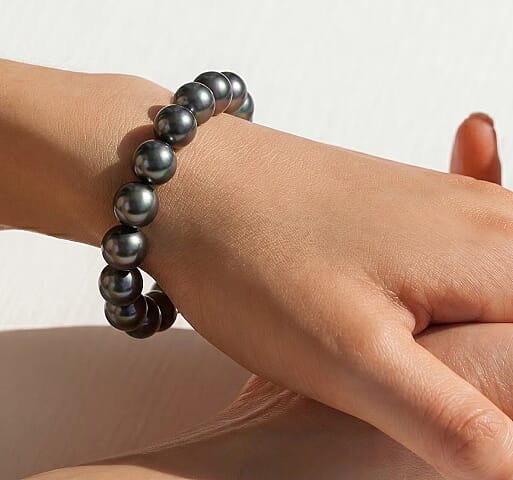
Origin: Cultivated in French Polynesia, these Tahitian cultured pearls are known for their rarity and cultivated using a long culturing process.
Colour: Can come in the range from white and black to iridescent silver, dark purple, and blackish-grey hues.
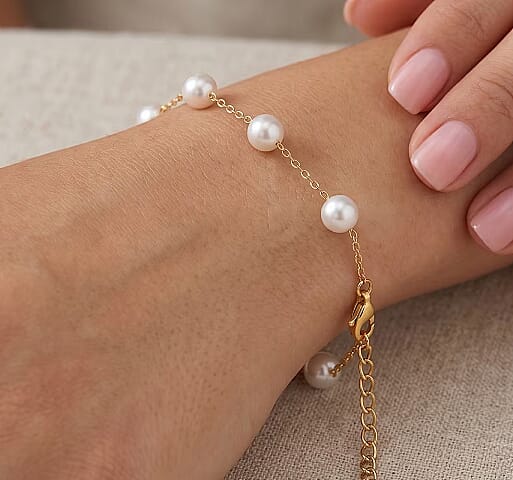
Origin: Cultivated mainly in Japan and China, Akoya pearls are known for their highly lustrous surface, round shape, bright glow, and minimal imperfections.
Colour: Can come in a variety of colours, but it’s prized for its classic white shade.
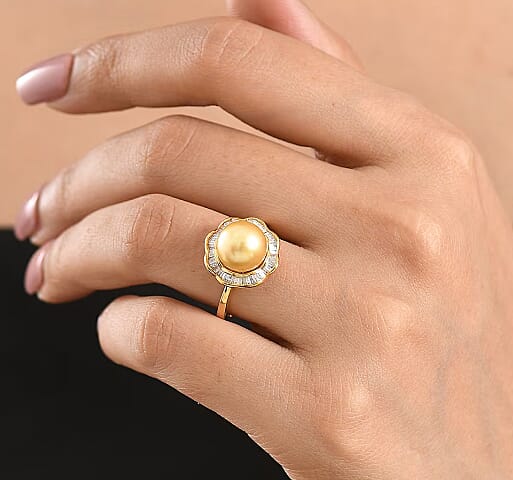
Origin: Found particularly in South Pacific areas, these South Sea cultured pearls are sourced from Philippines, Australia, and Indonesia. Known for their large size and soft satiny glow.
Colour: Comes with white to golden hues.
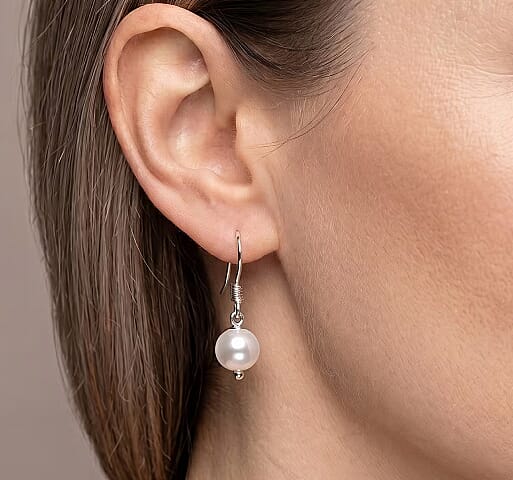
They are man-made pearls made from mother of pearl, glass, plastic, alabaster, resin, or coral to mimic the actual appearance of the real pearls. They are also called faux pearls or stimulated pearls.
Pearls come in a wide spectrum of colour and undertones. Some of the most common pearl colors are cream, white, lavender, black, gold, and blue.
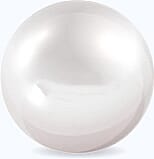
They are the most popular pearls, known for their luminous white sheen. They can exhibit anything from pure white to creamy-yellow tones.
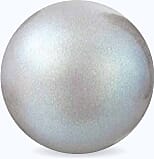
Comes in soft silvery to smoky charcoal hues.
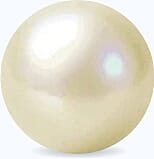
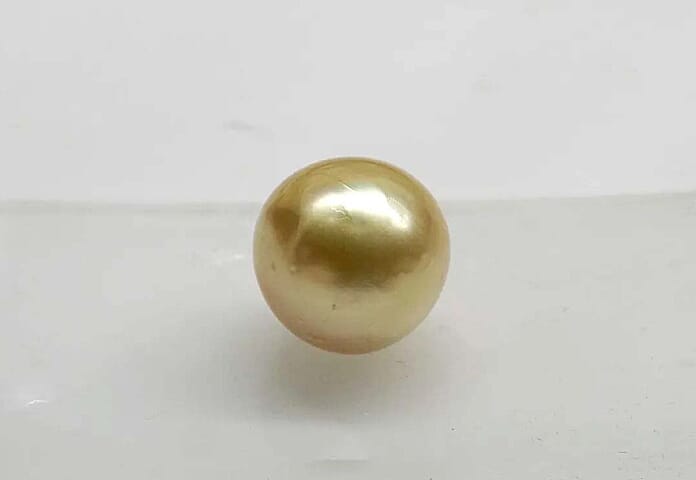
Exhibits a soft, golden tone. Its colour ranges from pale yellow to deep yellow tones.
These pearls are also known as Tahitian pearls, they come in pure black to black hues with overtones of purple, blue, green, or silver.
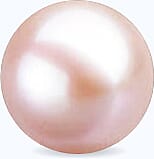
Comes in pastel pink to peachy pink to deeper pink tones and exude a sense of femininity.
Natural pearls in blue and golden-yellow colour are exceedingly rare. In particular, the Golden South Sea Pearls, Blue Akoya Pearls, and Natural Pink Pearls, makes for one of the most valuable colour variants of the pearls.
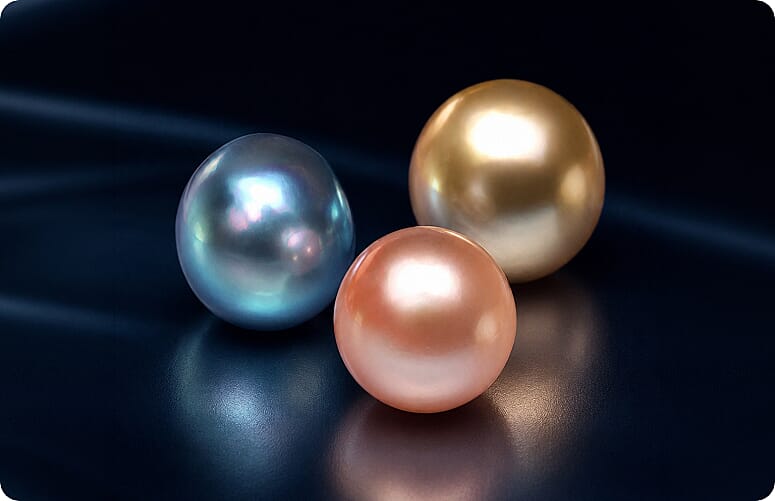
Pearls come in a variety of shapes. Learn about the different shapes of pearls below.
Pearl value is determined by primary pearl grading factors such as size, shape, colour, luster, nacre thickness, and surface quality. These are considered to be the main factors that determines the value of the pearl and its quality:
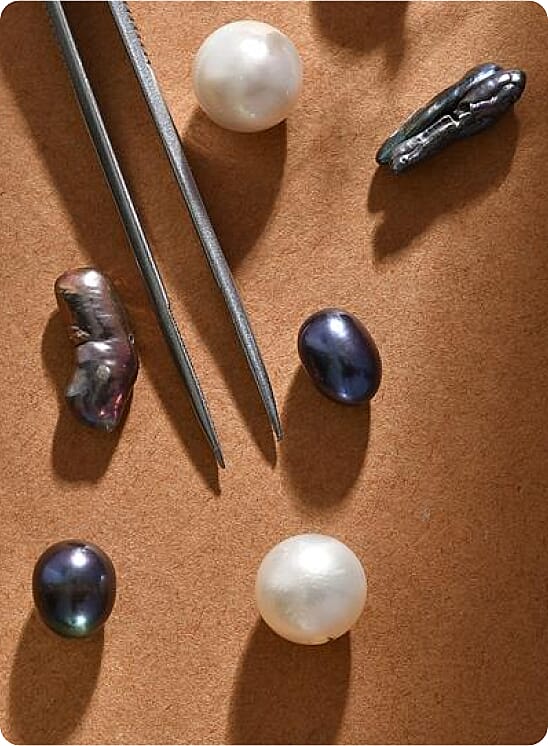
Refers to the very intensity and the quality of the light reflected on the pearl’s surface. Pearls with high luster exhibit bright reflections and are considered of superior quality.
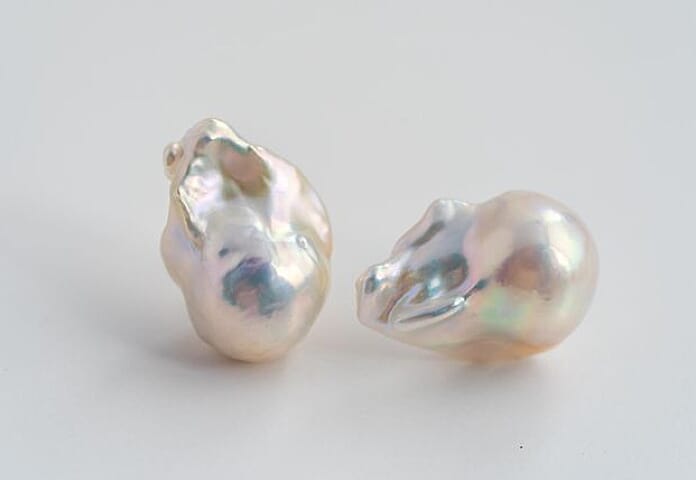
Refers to the uniformity, roundness, and the symmetry of the pearls' shape. Spherical pearls (perfectly round) are considered the most valuable shape, while the symmetrical drops make for one of the most sought-after shapes.
Refers to the blemishes or imperfections on the pearl’s surface. The fewer the flaws, the brighter and sharper the reflection, higher the quality and value.
Pearls come in varied sizes from tiny seed pearls (1mm) to large baroque pearls that can go up to 20mm.Larger the pearls, the more valuable they are.
Refers to the hue and overtones of the pearls. White pearls are considered to be the most classic choice.
Refers to the quality and the thickness of nacre layers on the pearl. The higher the nacre, the better the luster, durability, and deeper the colour.
Refers to consistency in a strand of pearls in terms of shape, size, colour, and luster.
Wondering whether your pearls are genuine? Here is everything you need to know about real vs fake pearls and how you can tell if a pearl is real or not.

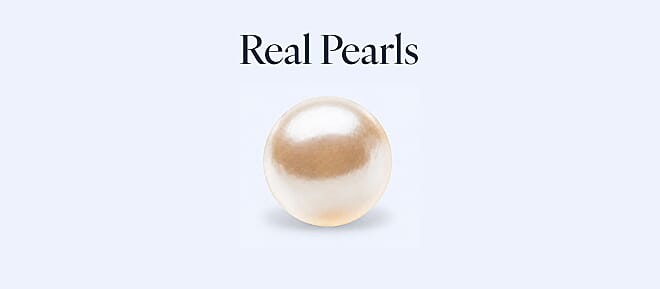
Contains natural produced nacre (as seen in natural and cultured pearls)
Slight surface irregularities like bumps or ridges.
Reflects deep, glowing light that feels three-dimensional.
Comes with subtle colour variation or overtones.
Strong and resilient.
Expensive to highly expensive.
When gently knocked together, pearls produce a dull sound.
Show subtle variations in structure.
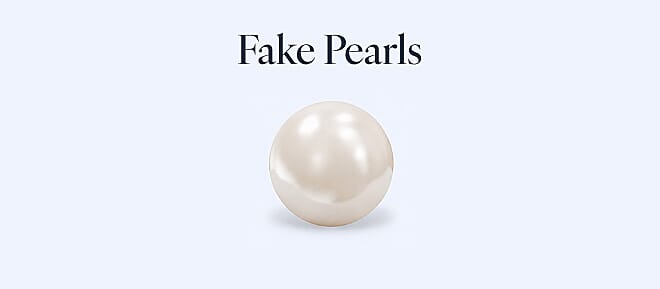
Do not contain nacre (as seen in imitation pearls)
Smooth and flawless.
Gives off superficial shine without depth that appears to be flat.
Single, uniform colour.
Susceptible to damage such as coating wearing off or scratches.
Inexpensive
When gently knocked together, pearls make a clicking sound that feels hollow.
Perfectly matching or visually identical.
Emerald sets the standard by which all other green gemstones are measured. Let's know more about their unique geological properties.
| Tests | How To Do? | Real Pearls | Fake Pearls |
|---|---|---|---|
| Weight Test | Hold the pearl in your hand and feel the weight. | Feels heavier due to the presence of thick layers of nacre. | Look and feel noticeably lighter as it contains no nacre. |
| Tooth Test | Rub the pearl gently against the edge of your front teeth. | Feels a bit gritty and rough. | Feels smooth and glassy. |
| Magnifying Glass Test | Use a jeweller's loupe and inspect the pearl's surface. | Shows minor imperfections. | Appears smooth and uniform. |
| Drill Hole Test | Inspect the drill hole of the pearl to know its authenticity. | Will have a clean, small drill hole. | Can reveal layers of coating on synthetic pearls. |
| Temperature Test | Wear the pearl jewellery or place the pearl against your skin. | Feels cool at first and then gradually warms up. | Feels warm right from the start. |
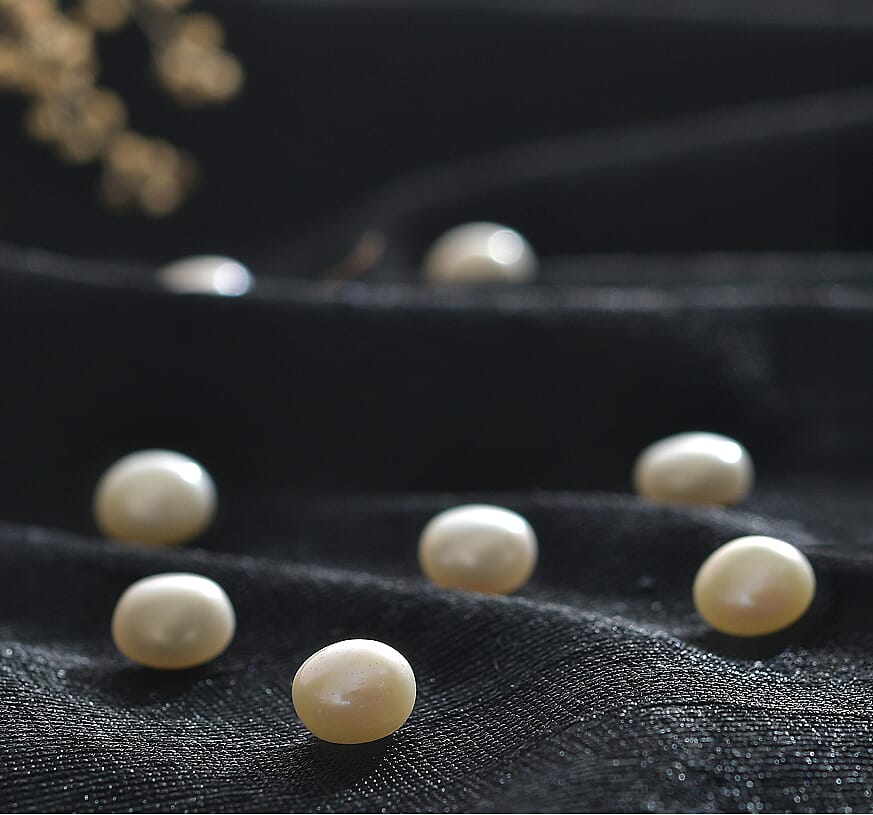
Pearls rank on 2.5 to 4 on Mohs scale of hardness, which means they are soft and are susceptible to scratching or abrasion. Hence it’s to take good care of your pearl jewellery to maintain its pristine allure.
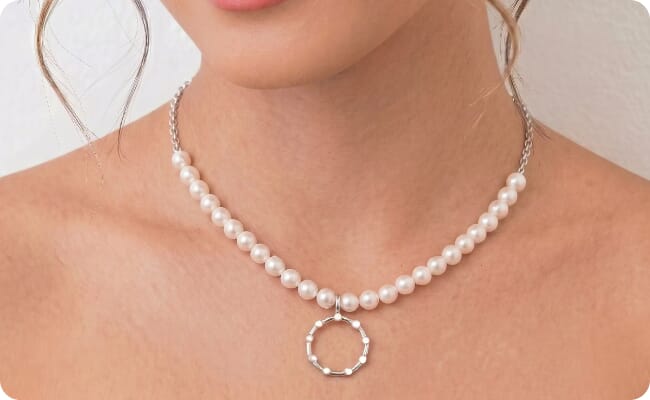
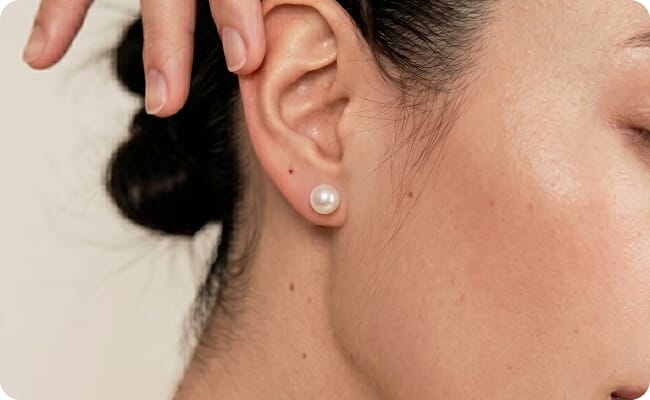
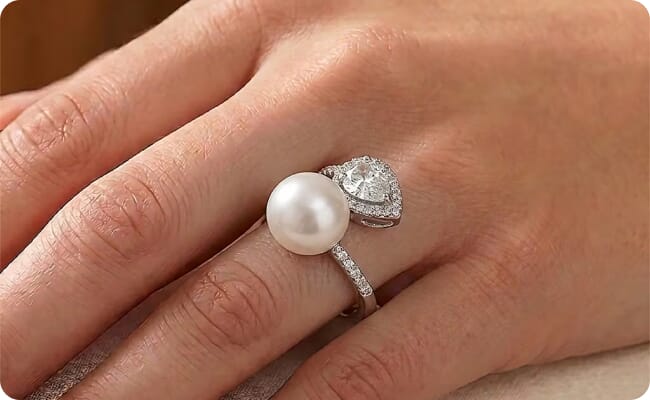
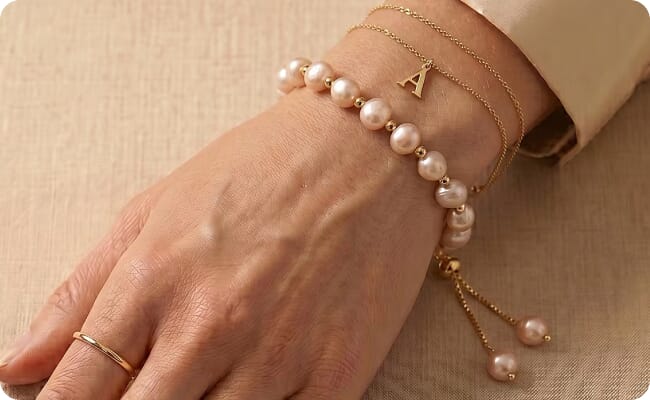
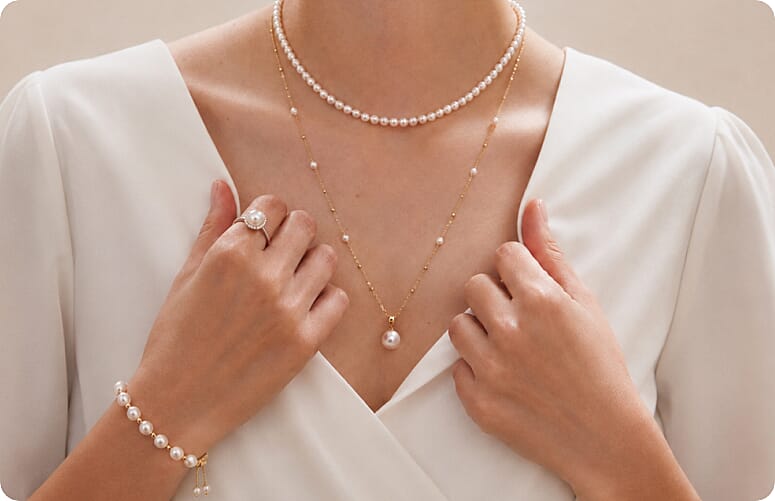
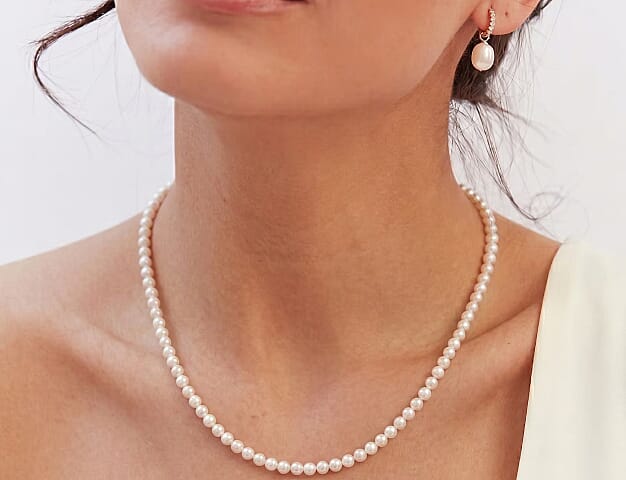
Pearl jewellery opulent elegance refuses to date. They have a classic aesthetic and make for one of the most sought-after contemporary jewellery even today. If you want to know how to wear pearls in 2026, take a look at the tips below.
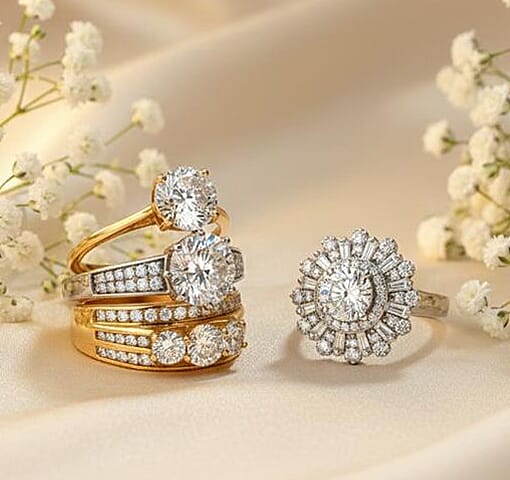
Revered for its unmatched brilliance and hardness, formed deep within the earth over billions of years.
Explore Diamond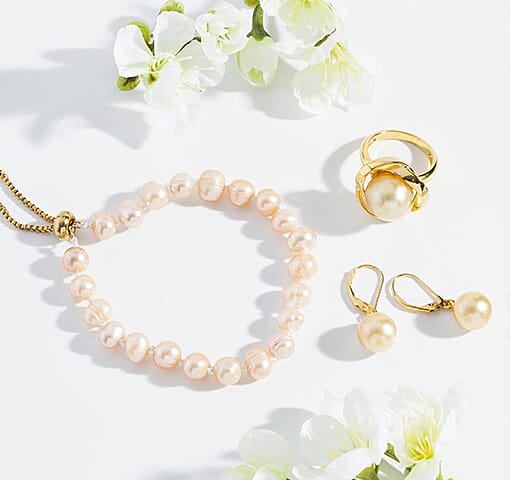
Pearls are naturally found in oysters and created by living organisms. They are admired and prized for their luminous shine and soft glow.
Explore Pearl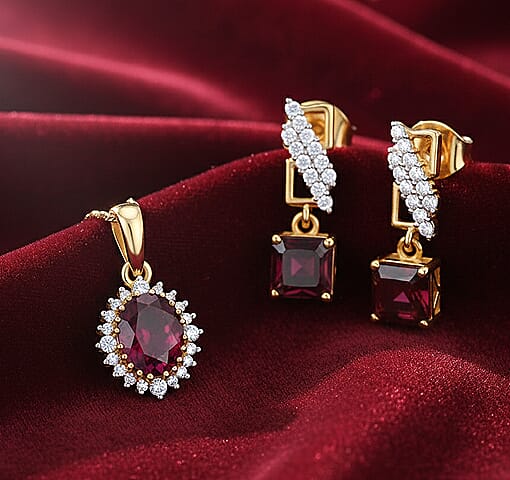
Ruby is considered as the king of gemstones, known for its vivid rich red colour and symbolic association with power and prosperity. The red colour also symbolises love.
Explore Ruby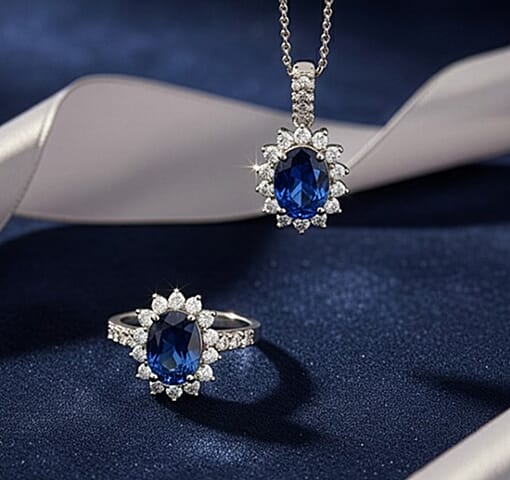
Mainly found in Tanzania, tanzanite is a rare gemstone known for its mesmering intense blue hue that shifts with lights.
Explore Tanzanite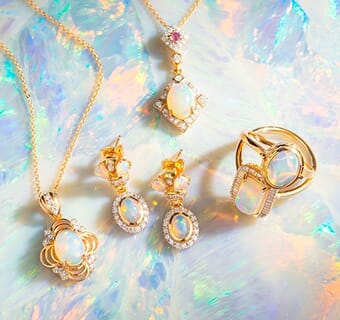
Revered for its enhancing play of shifting colours that reflect the rainbow, making each jewellery piece unique and fascinating.
Explore Opal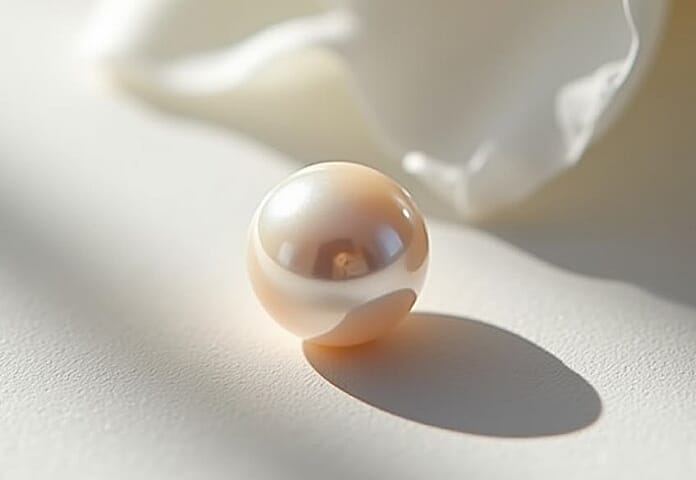
.jpg)
.jpg)